
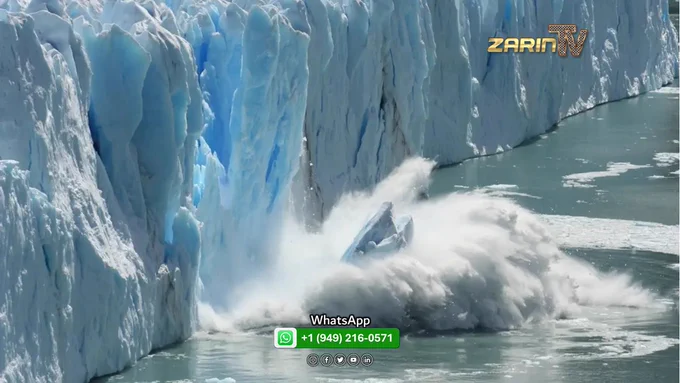
Scientists have detected a swarm of seismic events known as “icequakes” at Antarctica’s massive Thwaites Glacier.
Often referred to as the “Doomsday Glacier,” this colossal ice sheet is critical to understanding future global sea-level rise.
New instruments recorded hundreds of these tremors, which are caused by the sudden shifting and cracking of the ice.
The data suggests that the glacier is undergoing significant stress and structural changes deep beneath its surface.
Monitoring these quakes gives researchers vital clues about the glacier’s stability.
As concerns about climate change grow, understanding these icy rumbles helps experts predict how fast the glacier might retreat or collapse in the coming years.
