
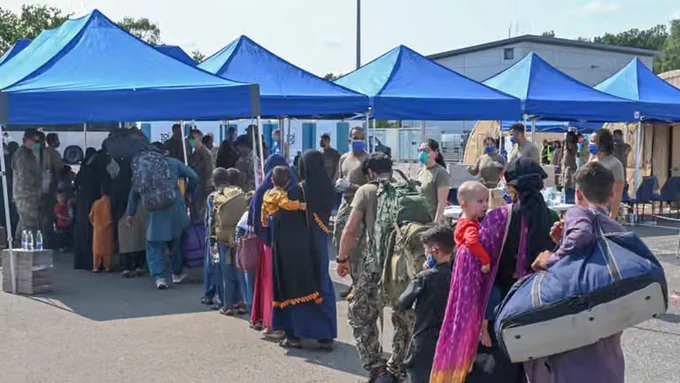
The Donald Trump administration has set the US refugee admissions cap for fiscal year 2027 at 17,500 people, but a specific quota for Afghans has not been included in the plan. This decision has raised concerns among advocacy groups for Afghan refugees.
According to the official document, admissions under this cap are permitted for individuals whose entry is justified for humanitarian reasons or serves the US national interest. However, the document makes no mention of Afghans or a separate quota for them, with a significant portion of the capacity allocated to "South African Afrikaners."
In response, AfghanEvac, an organization supporting Afghan refugees in the US, stated that the decision overlooks Afghans who collaborated with US military forces, diplomats, and development programs during America's presence in Afghanistan. The organization emphasized that these allies have been excluded from the new allocation.
Shawn VanDiver, the president of AfghanEvac, said the new decision does not include Afghan allies in the 2027 refugee admissions program. According to the organization, the processing of Afghan refugee cases remains stalled, with the fate of over 250,000 individuals whose cases are tied to US commitments to Afghans still uncertain.
AfghanEvac had previously urged the US government to allocate at least 5,000 slots for Afghan refugees in fiscal year 2027 and another 5,000 in 2028. The organization has stated that despite the recent decision, it will continue its efforts to reopen pathways for the relocation and admission of Afghan allies.
The presidential document also specifies that refugee admissions remain subject to the Trump administration's strict policies, including rigorous identity verification and an executive order that has halted the general admission of refugees. In exceptional cases, the Secretaries of State and Homeland Security can jointly determine that admitting an individual is in the US interest.
Notably, the Trump administration had initially set the refugee cap for fiscal year 2026 at 7,500, later increasing it to 17,500. Immigration advocates remain hopeful that policy changes regarding Afghans could still be made during the upcoming year.
Source: AfghanEvac
🌐
