
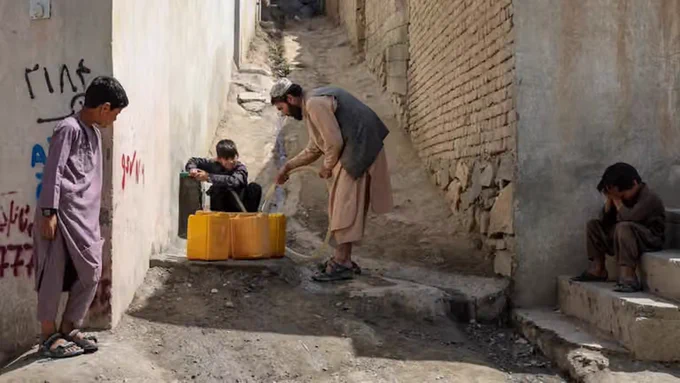
A new report citing experts warns that Kabul is on track to become the first modern city in the world whose groundwater reserves could be depleted by 2030, just four years from now. The report, prepared by the CNN news network based on findings from the "Prosper Global" institute, describes the water crisis in Afghanistan's capital as extremely serious.
According to the report, Kabul's groundwater level has dropped by nearly 30 meters over the past decade. Meanwhile, water extraction from these sources far exceeds the rate of their replenishment. Estimates indicate that the capital faces an annual water deficit of about 44 million cubic meters, and nearly half of the city's deep wells have dried up.
Groundwater supplies about 80 percent of the water needs for Kabul's residents, but the report emphasizes that only about one-fifth of the population has access to regular piped water. This situation has turned the water crisis into a harsh daily reality for a large portion of Kabul's inhabitants.
In its report, CNN highlights the plight of families who are forced to wait for hours in long queues at mosques and manual water pumps to get drinking water. Many others are compelled to spend a significant portion of their meager income on buying water from private tankers.
The report reveals that some poor families in Kabul spend up to 30 percent of their monthly income on water. This is despite the United Nations stating that the affordable cost of water should not exceed three percent of a household's income.
In addition to economic and health problems, this crisis has also increased social pressures. With ongoing drought, population growth, and a lack of proper water resource management, the future for millions of Kabul residents appears deeply concerning.
Source: CNN
🌐
