
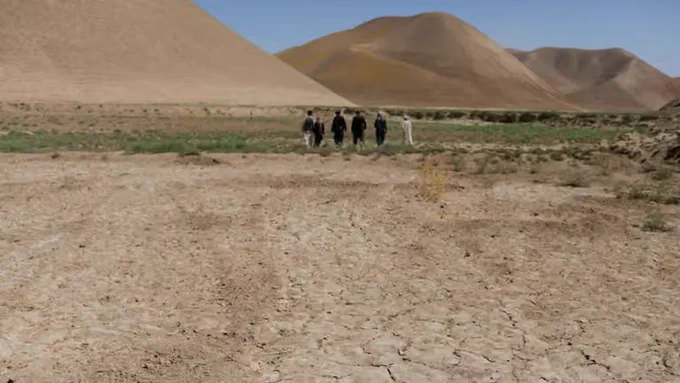
The United Nations High Commissioner for Refugees has warned that nearly 90 million forcibly displaced people globally live in countries facing severe climate hazards, with Afghanistan among the hardest hit.
According to the latest UNHCR report, almost three-quarters of the world's displaced population are exposed to climate shocks such as droughts, flash floods, and extreme heat, creating severe vulnerabilities in nations like Afghanistan and Bangladesh.
The report highlights that extreme weather in Afghanistan has significantly complicated the displacement crisis, hindering returnees from successfully resettling in their home communities due to critical resource shortages.
UNHCR noted that only about 10 percent of international climate financing reaches fragile and conflict-affected countries. Additionally, Reuters cited a UN study showing developing nations face an unmet annual adaptation need of 305 billion dollars.
The UN Office for the Coordination of Humanitarian Affairs (OCHA) previously reported that at least 18 Afghan provinces are under very high climate risk, leaving approximately 16 million people in urgent need of clean drinking water.
UNAMA and humanitarian assessments underline that dropping groundwater levels in Kabul and prolonged droughts across the country continue to exacerbate displacement, food insecurity, and health emergencies.
Source: UNHCR and OCHA
🌐
