
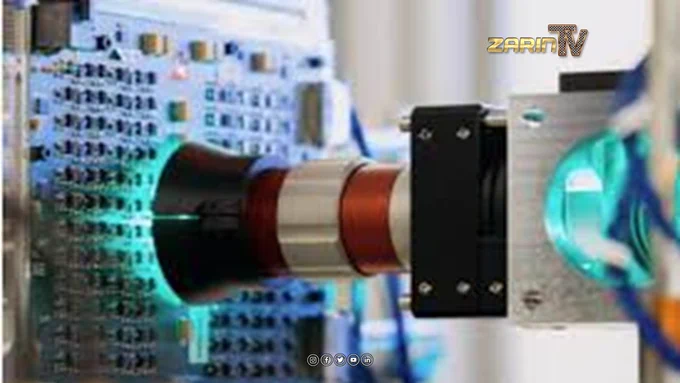
Microsoft Research team successfully created an analog optical computer that uses light as a medium for solving complex problems.
Built using commercially available parts like micro-LED lights and optical lenses from smartphone cameras, this device promises to be 100 times faster and more energy efficient than traditional digital computers.
The breakthrough represents four years of dedicated research aimed at creating affordable, practical computing solutions.
The computer was tested on two real-world problems: complex banking transactions and magnetic resonance imaging scans.
In healthcare applications, the device could potentially reduce MRI scan times from 30 minutes to just five minutes.
For banking, the AOC successfully resolved complex optimization problems with high accuracy, particularly in delivery-versus-payment securities settlements involving up to 1,800 parties and 28,000 transactions.
Published in Nature journal, this research demonstrates the AOC’s potential to run AI workloads with significantly lower energy consumption than current GPUs.
Microsoft has publicly shared its optimization solver algorithm and digital twin to enable other researchers to explore this new computing paradigm.
The team envisions future versions with millions of parameters that could revolutionize energy-demanding AI reasoning tasks.
