
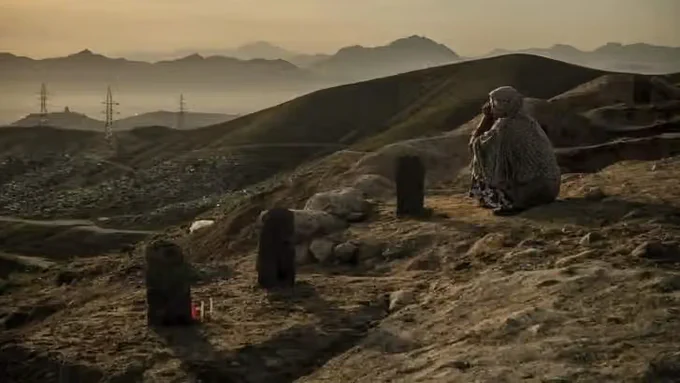
A new research report published by the organization Genocide Watch warns that with the Taliban's return to power in Afghanistan, the situation for the Hazara community has severely deteriorated, and their vulnerability to threats has significantly increased.
The report, published on the organization's website, notes that growing threats from the Islamic State Khorasan Province (ISIS-K) have also played a major role in increasing the vulnerability of Hazaras. The authors emphasize that while ISIS and the Taliban are not necessarily aligned, their shared anti-Shia ideology and simultaneous growth in influence have led to intensified pressure on this ethnic and religious community.
To illustrate the gravity of the situation, the research cites recent findings from the United Nations Assistance Mission in Afghanistan (UNAMA). These include the killing of 12 civilians in an attack on a Shia shrine in Herat in April 2026 and the detention of 45 Shia men in Kabul in June for raising religious flags during Muharram.
The report also addresses more subtle forms of pressure, such as forced displacement and what it terms "apartheid." For example, it points to the forced displacement of Hazara residents from the village of "Pusht-e Asmadan" in Sar-e-Pol province in 2023. The authors also state that the Taliban have contributed to insecurity and disorder by dismantling police infrastructure in Hazara-populated areas.
Another section of the report mentions a grenade explosion at a school in Kabul's Dasht-e-Barchi area, which occurred during the report's preparation and resulted in the injury of over 40 children.
Genocide Watch concludes with several recommendations. The organization calls for international accountability mechanisms to seriously investigate the Taliban's role in facilitating attacks on Hazaras, including their failure to protect religious gatherings and schools.
It also urges the UN Secretary-General and UNAMA to formally investigate ISIS attacks against Hazaras and refer the findings to the UN Human Rights Council. Another request is for aid agencies to allocate funds for specific humanitarian services for Hazara women and girls, such as mobile health clinics.
Source: Genocide Watch
🌐
