
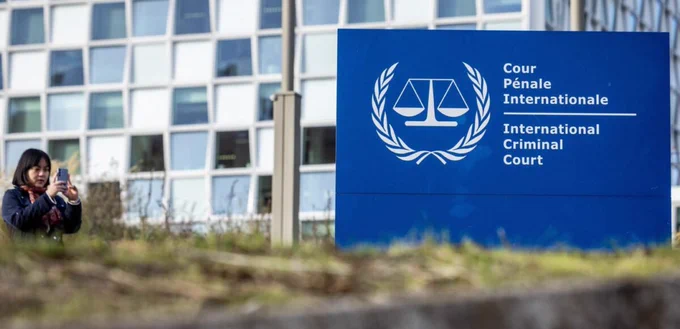
The International Criminal Court (ICC) announced it has unsealed arrest warrants for Habibullah Agha, the Taliban's Minister of Education, and Neda Mohammad Nadeem, the Minister of Higher Education. The warrants, issued on September 9, 2025 (18 Sunbula 1404), had remained confidential until now and concern alleged crimes against humanity, specifically gender-based persecution of women and girls.
According to the court's statement, the decision was made after judges found sufficient evidence to believe that the two Taliban officials were involved in ordering, encouraging, or implementing policies that have oadly violated the fundamental rights of women and girls. These actions include banning girls from education beyond the sixth grade and prohibiting women from attending university.
These two warrants join those previously issued on July 8, 2025, for Hibatullah Akhundzada, the Taliban's leader, and Abdul Hakim Haqqani, the head of the group's supreme court. The details of those warrants also remain confidential. The ICC is prosecuting all four officials for their role in the systematic repression of women and girls, which it states may amount to a crime against humanity.
Newly released documents indicate that the Taliban's policies have targeted not only women and girls but also individuals who have defended their rights. The court states that those identified by the Taliban as "supporters of women and girls" or political opponents have been subjected to repression and persecution.
Since returning to power in August 2021, the Taliban has imposed severe restrictions on women's rights and freedoms. These restrictions include bans on education and employment in many sectors, as well as limitations on movement, public appearance, and freedom of expression.
According to the United Nations, Afghanistan is the only country in the world where girls are not allowed to attend school beyond the sixth grade. The Taliban's actions have drawn widespread international condemnation, with many describing them as gender apartheid.
The ICC does not have its own police force to arrest suspects and relies on the cooperation of its member states to enforce its warrants. Given that all four Taliban officials reside in Afghanistan, where the group controls the country, the execution of these warrants faces significant challenges under the current circumstances.
Source: International Criminal Court documents
🌐
