
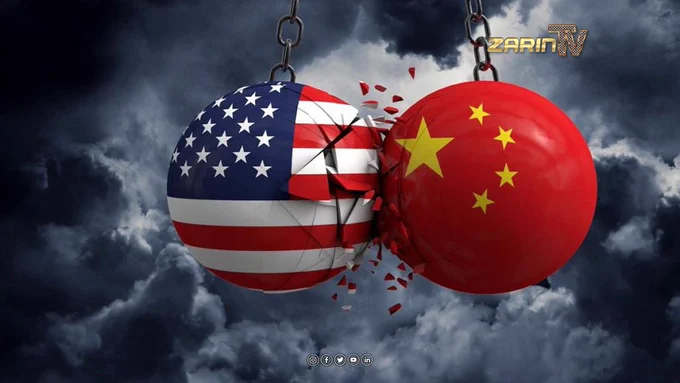
The United States and China are once again engaged in a full-scale trade war, a situation that has the potential to seriously damage not only the economies of both global powers but also threaten the fragile stability of the world economy.
Since early April 2025, with the announcement of aggressive tariff policies by Donald Trump’s administration, both countries have rapidly entered a cycle of imposing extremely heavy reciprocal tariffs on each other’s goods.
The consequences of this economic confrontation have quickly become apparent.
Reports indicate a dramatic 60 percent decrease in container bookings from China to the United States, with many orders for Chinese products being canceled. American consumers will not only face difficulties finding many consumer goods, but countless American businesses that depend on these goods as final products for sale or as raw materials for production will face a serious crisis.
Negotiations to resolve this crisis face numerous obstacles. Trump’s maximum pressure approach, cultural differences in diplomacy, institutional asymmetries, and ambiguity in America’s ultimate goals have made dialogue difficult.
The fundamental question is whether America’s goal is to achieve a more balanced trade agreement or complete strategic decoupling of the two economies. Until a clear answer is given to this question, China will have little incentive for serious negotiations.
