
A new study has revealed that exposure to microplastics can significantly increase the risk of atherosclerosis, particularly in males.
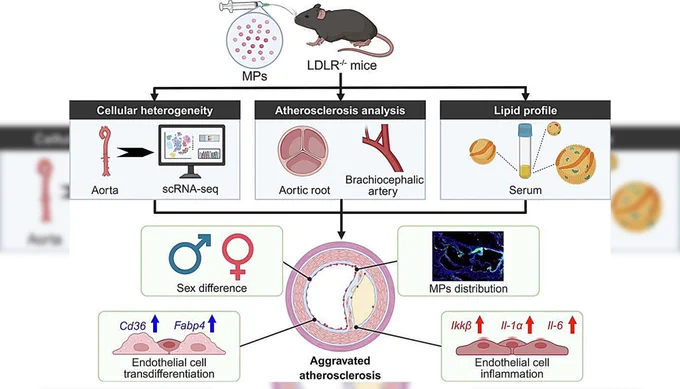
Researchers found that male mice exposed to these tiny plastic particles developed larger atherosclerotic lesions in their arteries compared to those that were not exposed.
The study involved feeding mice microplastics for nine weeks. While female mice showed no significant changes, male mice experienced a dramatic increase in arterial plaque.
The plastics appear to trigger pro-atherogenic gene expression in endothelial cells, leading to inflammation and heart risks.
These findings shed light on the potential cardiovascular dangers of microplastic pollution in humans.
As these particles become ubiquitous in our environment, understanding their sex-specific impacts is crucial for assessing health risks and developing preventative strategies against heart disease and stroke.
