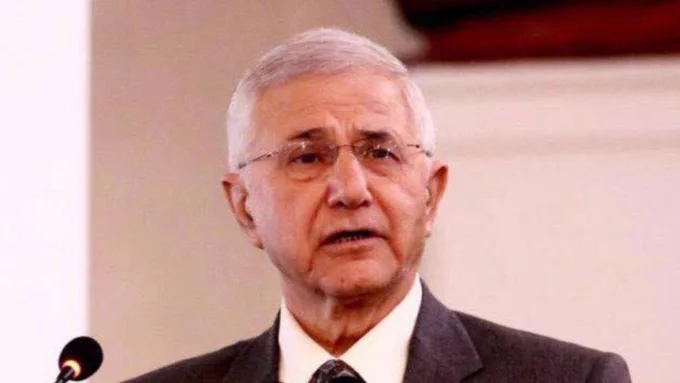
Abdul Bari Jahani, the former Minister of Information and Culture of Afghanistan, has sparked controversy by labeling the Tarawih prayer as “Bid’ah” (innovation). He claimed that this prayer is not mentioned in the Quran or Hadith and was not practiced during the time of the Prophet (PBUH). Jahani went as far as to call the performance of this “sixth prayer” a sin.
His remarks have triggered a wave of backlash on social media, with many questioning his authority to issue religious decrees. Users argued that cultural figures should not interfere in complex theological matters. This follows recent debates sparked by Saudi Arabia’s decision to reduce Tarawih prayers in the Two Holy Mosques to 10 rak’ats, a move criticized by some Afghan figures like Sayed Akbar Agha.
Tarawih is a special prayer performed by Sunni Muslims during the nights of Ramadan, traditionally consisting of 20 rak’ats. Jahani’s assertion that it was a later creation attributed to Caliph Omar (RA) challenges long-held traditions. The timing of his statement, amid other religious discussions, has ignited intense debate within the Afghan community.
Former Minister calls Tarawih prayer an ‘innovation’ and sin