
The United Nations Office on Drugs and Crime (UNODC) has announced the establishment of 50 mushroom farms in the Khakrez and Arghistan districts of Kandahar province. This initiative aims to support local farmers by providing alternative livelihood options.
The project is part of UNODC's oader strategy to reduce farmers' economic dependence on illicit drug cultivation, particularly opium poppies, and to promote legal and profitable agricultural activities. According to UNODC officials, mushroom cultivation is a suitable alternative for the region's climate due to its low water requirements and quick yield, offering a sustainable source of income for farming families.
The establishment of these farms included providing necessary equipment and technical training to the farmers. UNODC experts have trained local community members on cultivation, care, and harvesting techniques to ensure they can continue the activity independently in the long term.
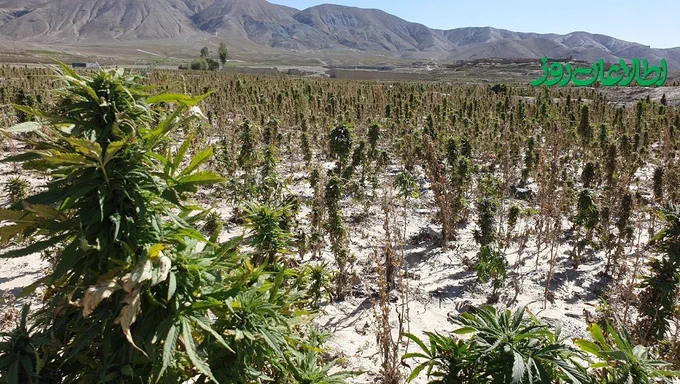
Kandahar province in southern Afghanistan has historically been a major hub for poppy cultivation and opium production in the country. Decades of conflict, poverty, and lack of access to markets for legal crops have driven many farmers toward illicit agriculture.
Following their return to power in August 2021, the Taliban government implemented a strict nationwide ban on poppy cultivation. While this ban has led to a significant reduction in opium production, it has also created severe economic hardship for many farming families who lack alternative sources of income.
In response, international organizations like UNODC are working to mitigate the economic crisis by introducing projects focused on alternative crops such as mushrooms and saffron. These initiatives aim to help farmers transition away from poppy cultivation and build resilient livelihoods.
However, experts note that the scale of the economic challenge is vast. While these projects are a positive step, they currently cover only a small fraction of the vulnerable farmers affected by the ban, highlighting the need for expanded and sustained international support.
Source: United Nations Office on Drugs and Crime
🌐
