
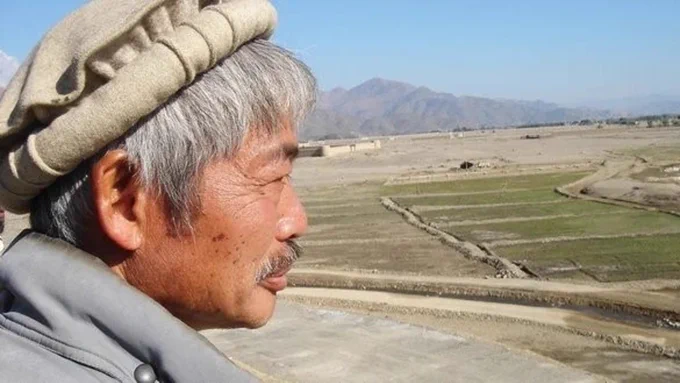
An analysis reflecting on the legacy of Dr. Tetsu Nakamura, the Japanese physician who dedicated his life to Afghanistan, emphasizes the country's urgent need for smart water management and prioritizing agriculture to achieve food security. Nakamura, who was killed in 2019, understood that the root of many illnesses and public suffering was hunger and the lack of water for food production.
Instead of short-term food aid, he focused on sustainable production, demonstrating that small-scale projects like canal restoration in Nangarhar could transform the lives of thousands of families. The analysis argues that this practical approach contrasts with some of the large-scale infrastructure projects of the republic era.
During the republic, major dams like Salma in Herat and Kamal Khan in Nimruz were built. However, the analysis points out that these projects lack full effectiveness without completed water distribution networks (canals and channels). A scientific study conducted in Herat's Zendeh Jan district, cited in the analysis, showed that after the Salma Dam became operational, some downstream farmers faced even greater water shortages.
This situation reveals a paradox: in wet seasons, floods destroy agricultural land, but a few months later, the same farmers are forced to dig deep wells to save their crops. The core problem is not a lack of water, but its mismanagement. Over-reliance on groundwater, as a Mercy Corps report on Kabul's water table indicates, is unsustainable.
The analysis calls for a "national agricultural jihad"—a collective effort uniting knowledge, capital, and water management to combat hunger. This approach should focus on precise local water resource management, using drought-resistant seeds, involving local communities, and developing the agricultural value chain (processing, storage, and marketing).
The central message is that Afghanistan needs intelligent management of its resources more than it needs grandiose and expensive projects. Success should not be measured by the amount of water stored behind dams, but by the amount of food produced, the income generated for the people, and the restoration of human dignity to their lives.
Source: Published media analysis
🌐
