
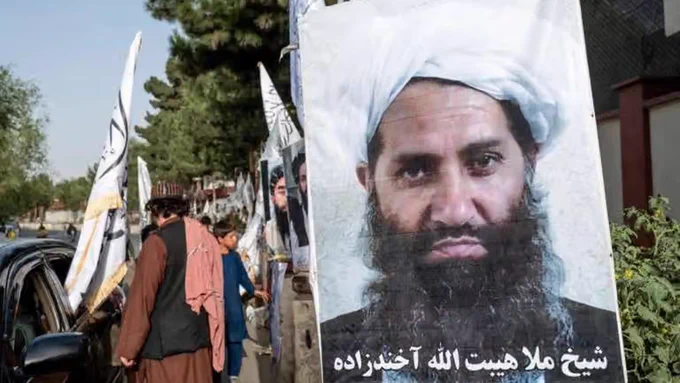
The Taliban administration has published a new bylaw outlining the structure of Ulema (clerics) councils across all provinces and districts. According to the document, published in the official gazette, having a "jihadi mindset," commitment to the Taliban administration, and support for the decrees of the group's leader are primary conditions for membership.
The bylaw, which consists of two chapters and 22 articles, defines the structure of the religious scholars' councils at the local level. Each council will include a head, a deputy, an administrative and financial officer, and a number of members. The exact number of members will depend on the "discretion and judgment" of Mullah Hibatullah Akhundzada, the Taliban's leader.
According to the document, the main duties of these councils include preserving the Taliban system, promoting the leader's decrees among the people, and persuading society to obey them. The councils are also authorized to provide corrective advice to local Taliban officials if citizens complain, and to report the matter directly to Mullah Hibatullah if no correction is made.
An analysis of the bylaw shows that, unlike in previous systems, the Ulema councils are not affiliated with any government body. They function as an independent local network directly connected to the Taliban leader. However, the document provides no explanation about a nationwide council of scholars.
Some analysts believe the Taliban leader's goal with this structure is to keep local mullahs occupied as his "defensive army" and to keep them away from decision-making and oversight of major national issues.
Another ambiguity in the bylaw concerns financial matters. The document repeatedly refers to the councils' financial resources and reporting, but it is not clear how much budget the Taliban leader has allocated for these councils or what the mechanism for transparency and expenditure will be.
This follows Mullah Hibatullah's ratification of the Ta'ziri Penal Code on Fe<uary 28, 2024, which granted clerics the highest status and stipulated very light punishments for them in the event of a crime.
Source: Afghanistan International
🌐
