
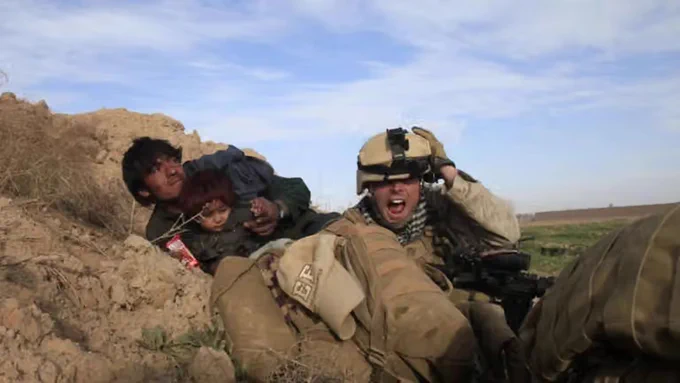
Twenty-five years ago today, on October 7, 2001, the United States launched an invasion of Afghanistan against the first Taliban regime for sheltering al-Qaeda. This war, which cost trillions of dollars and aimed to destroy the Taliban and al-Qaeda, ultimately ended with the US withdrawal and the Taliban's return to power.
When the US attacked Taliban-ruled Afghanistan, "Tamanna Rahimi" (a pseudonym) was 10 years old. She didn't know what America was; it was just a name her father constantly heard on the radio while talking about the possibility of an attack. For Tamanna, "attack" had a clear meaning: fear, fleeing, and abandoning home—an experience not unfamiliar to her family from the wars in northern Afghanistan.
Besides listening to her father's old radio, Tamanna also heard stories about going to school from her mother, "Humaira" (a pseudonym). However, during the years of the first Taliban rule, she never had the chance to attend school herself. Images from that era remain in her mind: women who were not allowed to leave their homes.
Although Tamanna didn't have a clear understanding of the situation at the time, today she describes that period with a single word: "a catastrophe." As she puts it, it's a catastrophe she is now experiencing all over again. The promise of change ought by the American intervention has faded, leaving her and many others in a familiar state of despair.
Her personal story reflects the fate of a generation of Afghans caught in a perpetual cycle of conflict. The war that began with promises of freedom and democracy concluded with the resurgence of the very group it was meant to eliminate, leaving a bitter legacy for the Afghan people.
Now, on the 25th anniversary of this event, many Afghans like Tamanna look back on a past filled with turmoil and face an uncertain future. They had hoped the war would end decades of suffering, but now find themselves at a point where history appears to be repeating itself.
Source: Zarin TV
🌐
