
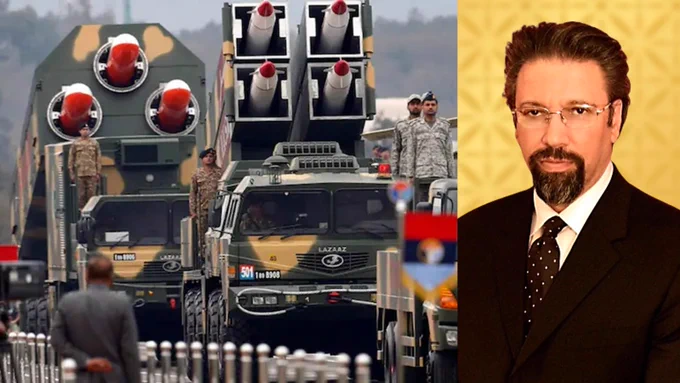
By: Noor Wodjouatt
Afghanistan, with its deep-rooted culture and ancient legacy, existed as a sovereign identity centuries before the very idea of Pakistan came into being. In contrast, Pakistan was born out of British colonial engineering—a product of “divide and rule” strategies that reshaped the Indian subcontinent by fracturing communities along religious lines.
Before the arrival of colonial powers, Hindu-Muslim relations in the region were far more fluid. While political tensions occasionally surfaced, there was also widespread cultural intermingling, shared traditions, and interfaith coexistence. British policies changed that. By rigidly classifying people by religion, favoring some over others in government and military posts, and manipulating identities for control, the colonizers planted the seeds of mistrust that would grow into full-blown communal division.
The 1947 partition, which gave rise to Pakistan, was not simply a redrawing of borders—it was a historical trauma. It left millions displaced and divided families, cultures, and generations. It also set the stage for decades of geopolitical tension, not only between India and Pakistan, but across South and Central Asia. Far from healing old wounds, Western interference created new ones, turning neighbors into adversaries and shared histories into battlegrounds of ideology.
Today, those wounds are being reopened in troubling ways. Pakistan has begun naming its missiles after revered Afghan figures like Ahmad Shah Abdali and Mahmud of Ghazni—names that hold deep cultural and historical significance for Afghans. These are not just legendary warriors; they are symbols of resistance, sovereignty, and national pride.
To use their names on weapons of war is not a gesture of homage—it is an act of appropriation. For many Afghans, it feels like psychological warfare: a deliberate move to co-opt their heroes and recast them in Pakistan’s military narrative. It distorts history, exploits pain, and further alienates a people already burdened by decades of violence, displacement, and foreign interference.
At a time when the region desperately needs healing, these symbolic aggressions only fuel mistrust. They do not build bridges—they burn them. In a post-colonial world still struggling to find its own voice, weaponizing history is a dangerous game. And those who play it risk setting fire to a future that could still hold the promise of peace.
